What is DP Alt Mode & Full-Function Type-C? (2026 Guide)
The introduction of the physical USB Type-C connector revolutionized connectivity across laptops, smartphones, and mobile peripherals. It promised a single reversible plug to replace barrel power plugs, bulky USB-A ports, HDMI, and DisplayPort cables. Yet millions of users plug a Type-C cable into a portable monitor only to be greeted by a black screen or 'No Signal' message.
Why does this happen? Because USB-C is merely a physical plug shape—not a guarantee of video capability. To transmit display signals over a single cable, both the host port and the cable must support DisplayPort Alternate Mode (DP Alt Mode) and adhere to Full-Function Type-C specifications. This 2026 guide demystifies DP Alt Mode, pin assignments, protocols, and how to verify your hardware.

What is Alternate Mode (Alt Mode)?
In standard operation, USB-C transmits USB 2.0 or USB 3.x data packets alongside Power Delivery (PD) negotiation. However, the USB Type-C connector features 24 pins, including four high-speed differential pairs (TX1/RX1, TX2/RX2). Alternate Mode is an extension defined by the USB-IF that permits reconfiguring these high-speed physical pins to transmit alternative, non-USB physical protocols directly from the computer's GPU.
Among various alternate modes (such as Thunderbolt and HDMI Alt Mode), DisplayPort Alternate Mode (DP Alt Mode) has become the universal global industry standard adopted by Apple, Microsoft, Intel, AMD, and major smartphone manufacturers.
How DP Alt Mode Works Under the Hood
When you plug a full-featured cable into a Favpista 15.6" Portable Monitor, a sophisticated microsecond handshake occurs:
- Configuration Channel (CC Pin) Handshake: The monitor and laptop communicate over the CC pins, identifying each other as video sink and video source.
- Pin Assignment Reallocation: The host GPU repurposes 2 or all 4 high-speed lanes to transmit uncompressed native DisplayPort 1.2, 1.4, or 2.1 video streams.
- Simultaneous Power & Data: Dedicated VBUS lines deliver electrical wattage (USB Power Delivery), while USB 2.0 lines handle touch screen digitized inputs simultaneously.
What is a "Full-Function" USB-C Port?
A port is designated as Full-Function Type-C (or Full-Featured) when it simultaneously supports three distinct technical standards:
How to Tell If Your Device Supports DP Alt Mode
- Look for Visual Port Icons: A lightning bolt symbol indicates Thunderbolt 3 or Thunderbolt 4 (100% DP Alt Mode guaranteed). A stylized "D" logo indicates DisplayPort Alt Mode. A plain USB icon or battery symbol usually indicates power/data only.
- Apple MacBooks: Every USB-C port on Apple Silicon MacBooks (M1, M2, M3, M4 series) and Intel MacBooks from 2016 onwards natively supports Thunderbolt/DP Alt Mode.
- Smartphones: Samsung Galaxy S and Note series (S20 through S25), Huawei Mate/P series, and iPhone 15/16 Pro models feature DP Alt Mode video output. Budget series (such as Samsung Galaxy A) generally omit video hardware.
Recommended Favpista Plug-and-Play Displays
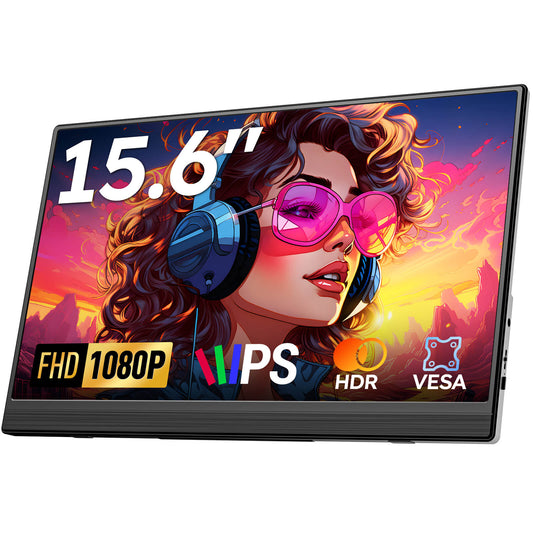
- Favpista 15.6" FHD 1080P Plug & Play Portable Monitor: Direct single-cable plug-and-play via DP Alt Mode with full-featured USB-C cable included.
- Favpista 14.1" 16:10 FHD 1200P Triple Screen Extender: Advanced multi-screen extension for dual and triple productivity workflows.
- Favpista 14.1" Touchscreen Lapdock with 10800mAh Battery: Complete mobile workstation with full-featured Type-C and Samsung DeX compatibility.
- Browse All Favpista Portable Displays: Explore the full catalog of productivity and gaming portable displays.
FAQ
Q:Do all USB-C ports support DP Alt Mode?
No. USB-C only defines the physical plug shape. DP Alt Mode is an optional hardware feature that must be implemented by the laptop or phone manufacturer. Ports labeled only with USB 2.0 or 5Gbps data cannot output video.
Q:Can I use an ordinary smartphone charging cable for DP Alt Mode?
No. Standard charging cables contain only USB 2.0 copper wires (4 pins) to transfer power. You must use a certified Full-Featured USB-C cable (16–24 pins) supporting USB 3.2 Gen 2 or Thunderbolt.
Q:What is the difference between Thunderbolt and DP Alt Mode?
Thunderbolt (TB3/TB4/TB5) is Intel's premium protocol that automatically includes DP Alt Mode, PCIe tunneling, and 40+ Gbps bandwidth. DP Alt Mode is a standalone VESA standard that can exist on non-Thunderbolt USB-C ports.
Q:What happens if I plug a portable monitor into a non-DP USB-C port?
The monitor might receive power and light up its brand logo, but it will immediately enter power saving mode or display a 'No Signal' alert because no display clock signal is arriving.
Q:Does DP Alt Mode support audio transmission?
Yes. Because DisplayPort Alternate Mode mirrors native DisplayPort audio streams, multi-channel digital audio is transmitted seamlessly to the portable monitor's built-in stereo speakers.